
Table of Contents
Digital Trends Shaping New Casino Experiences
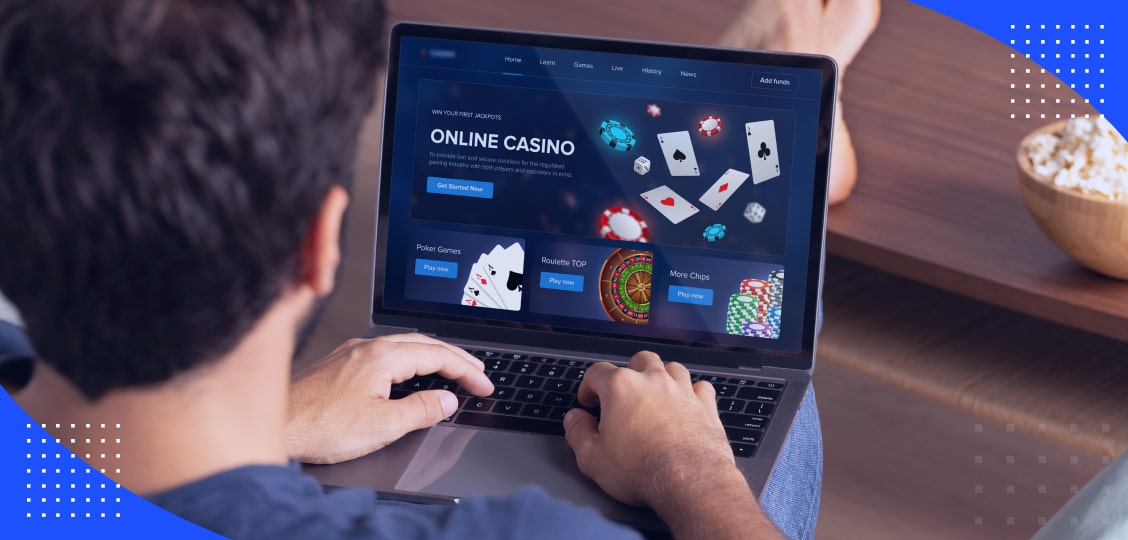
There’s something quietly fascinating about how fast casinos have changed. Not just the glitz of Las Vegas-type resorts but the online worlds flooding our screens. Every year seems to bring another leap forward—a new feature, a smoother interface, or a new way to feel that thrill of winning without leaving the couch. Platforms now compete not just for money or bonuses but for attention, atmosphere, and trust. Some digital spaces manage to create that feeling of stepping into a real room full of possibility. Others are still catching up. Interestingly, one of the emerging examples of flexible and mobile-inspired layouts is explored in https://chickenroadgame-2.com/app/, a concept that’s pushing similar design logic into online casino mechanics.
We can trace these trends back to the fundamental need to connect people emotionally through pixels. When someone logs in, they expect more than static cards or spinning numbers. They want sound that feels alive, visuals that draw them in, and subtle personalization that remembers how they play. Perhaps that’s why even small indie developers now build well-crafted casino simulators with themes and storylines—it all adds layers to the experience.
Immersive and Personalized Gameplay
Modern platforms use lingering sensory detail to make online gambling more engaging. It’s no longer just about winning or losing. Virtual and augmented reality simulations transform ordinary slots into near cinematic encounters. This vivid experience blurs real and digital environments. Some casinos even test adaptive interfaces that react to user decisions like lighting intensity or theme music shifting over time.
As personalization matures, the player’s journey feels almost crafted individually, more like exploring a personalized universe than merely logging in to bet.
Developers focus on data-driven customization, understanding preferences, and adjusting promotions based on behavior. Below is a quick look at how personalization compares across different casino generations:
| Casino Generation | Player Experience | Technology |
|---|---|---|
| Early Online (2000–2010) | Basic slot and card play with static design | Flash and rudimentary servers |
| Mobile Wave (2010–2018) | Responsive design, faster payments, live dealers | HTML5, mobile integration |
| Immersive Now (2019–current) | AI-driven recommendations, visual storytelling | VR, voice commands, predictive algorithms |
Mobile Play and Cross-Platform Integration
It’s not surprising that today’s casinos run mostly on mobile devices. If you look around during a commute or coffee break, screens glow with slot reels or live tables. Cross-platform design ensures phones, tablets, and desktops align seamlessly. Once, people didn’t trust mobile connections to handle big transactions, but improved encryption and payments have changed that.
There’s also the simplicity factor. A player who registers once expects their progress and bonuses available everywhere, instantly. This has made multi-device synchronization a must-have rather than an upgrade. The following little sequence explains how mobile-oriented casinos maintain reliable experience:
- Optimize layout and transitions to prevent delay between touches and outcomes.
- Deploy lightweight graphics without compromising realism.
- Integrate gesture-based options like swiping for spins or betting rounds.
- Enable live updates across platforms for leaderboard progress.
- Focus on touch ergonomics for long gaming sessions.
The digital casino now behaves more like a streaming platform—quick, responsive, and instantly adaptive to any device in hand.
Blockchain and Secure Payment Trends
Security might sound technical, but it defines trust. Blockchain integration in online casinos isn’t a buzzword anymore. It speeds up verification, reduces dependence on middle parties, and supports transparent payouts. Players see every transaction on a chain record, giving a level of openness unheard of in early gambling websites.
To understand this shift better, take a look at these comparative aspects:
| Aspect | Traditional Payment | Blockchain-Based Payment |
|---|---|---|
| Verification Time | Hours or days | Seconds to minutes |
| Transparency | Limited to provider view | Public decentralized ledger |
| Security Level | Medium—banks depend on passwords | High—cryptographic encryption |
Of course, wider adaptation still faces hurdles: regulations and education mostly. But the direction looks irreversible as cryptocurrencies and hybrid casinos coax mainstream players to explore digital wallets.
AI in Casino Management and Player Relations
Artificial Intelligence systems are quietly running behind much of today’s platform design. They recommend games based on mood or play duration, predict spending habits, and even intervene when users might get too carried away. The balance between engagement and responsibility is subtle but necessary.
AI algorithms also optimize marketing and fraud detection. As casinos automate support chat and dispute handling, response times shrink drastically. One company study showed response delays went down from hours to mere seconds. Another unexpected result was improved player satisfaction—people like being heard quickly, even by machines.
- 24/7 monitoring for abnormal betting patterns.
- Instant bonus suggestions tailored by user type.
- Smart responsible gaming alerts popping up after long sessions.
- Predictive performance and personalized leaderboard adjustments.
- Streamlined verification reducing account approval friction.
AI won’t replace human dealers or storytellers entirely, but it complements them, making online casinos feel almost alive with data-driven intuition.
What the Future Might Look Like
Predicting trends in tech-driven gambling is tricky, maybe even reckless, yet irresistible. We might see fully mixed-reality spaces where AR glasses overlay virtual poker chips onto real tables, or casinos forming collaborative mini-worlds where players can trade virtual collectibles. But maybe simplicity will win out—faster, safer games with human-centered interfaces and flexible play modes.
Social gambling continues to evolve too. Community chat, in-game tournaments, and integrated streaming blur entertainment lines. Someone could easily flip between playing, watching, and chatting in one fluid digital environment.
Conclusion
The casino industry has grown from a simple spin-and-pray setup to a sophisticated, data-driven digital universe. Whether it’s blockchain ensuring payment safety, mobile expansion granting uninterrupted access, or AI creating uniquely personalized moments, these trends shape not just games but expectations. Maybe the heart of gambling hasn’t changed—the excitement of uncertainty—but the tools surrounding it are more refined, responsive, and, sometimes, surprisingly human.